A home that works for two people does not always work the same way once children enter the picture. Families in the Tampa Bay area often reach a point where the house they moved into years ago starts feeling smaller, less efficient, and harder to manage with little ones running around.
Rather than relocating entirely, many homeowners choose to upgrade what they already have. The right improvements can transform a cramped or outdated space into one that supports the demands of a busy household for years to come.
Keeping the Whole House Comfortable Year-Round
One of the first things growing families notice is that their cooling system no longer keeps up. Rooms that were once perfectly fine start feeling stuffy, especially during the warmer months when everyone is home. Older units tend to lose efficiency over time, and a system that was originally sized for a smaller household can struggle to maintain consistent temperatures throughout the house.
Uneven cooling across bedrooms and living areas is usually a sign that the equipment has reached the end of its useful life. When that point comes, replacing the entire system is often more practical than continuing to patch an aging unit. Working with a reliable AC installation company ensures the new system is properly sized for the home and set up to handle the demands of a full household. Better cooling also means better air quality indoors, which matters a lot when young children are spending most of their time at home.
Making Better Use of Available Space
Growing families rarely feel like they have enough room. Toys pile up in the living area, laundry seems to multiply overnight, and shared bedrooms can start to feel claustrophobic. Before considering an addition, it helps to look at how the existing space is being used. A garage conversion, a finished attic, or even a reorganized floor plan can free up significant square footage without the expense of building from scratch.
Closet systems and built-in storage solutions also go a long way. When every member of the household has a designated spot for their things, the home feels more open and less chaotic. Mudrooms near the main entrance give kids a place to drop their shoes, backpacks, and jackets instead of scattering them across the house.
Upgrading the Kitchen for Everyday Demands
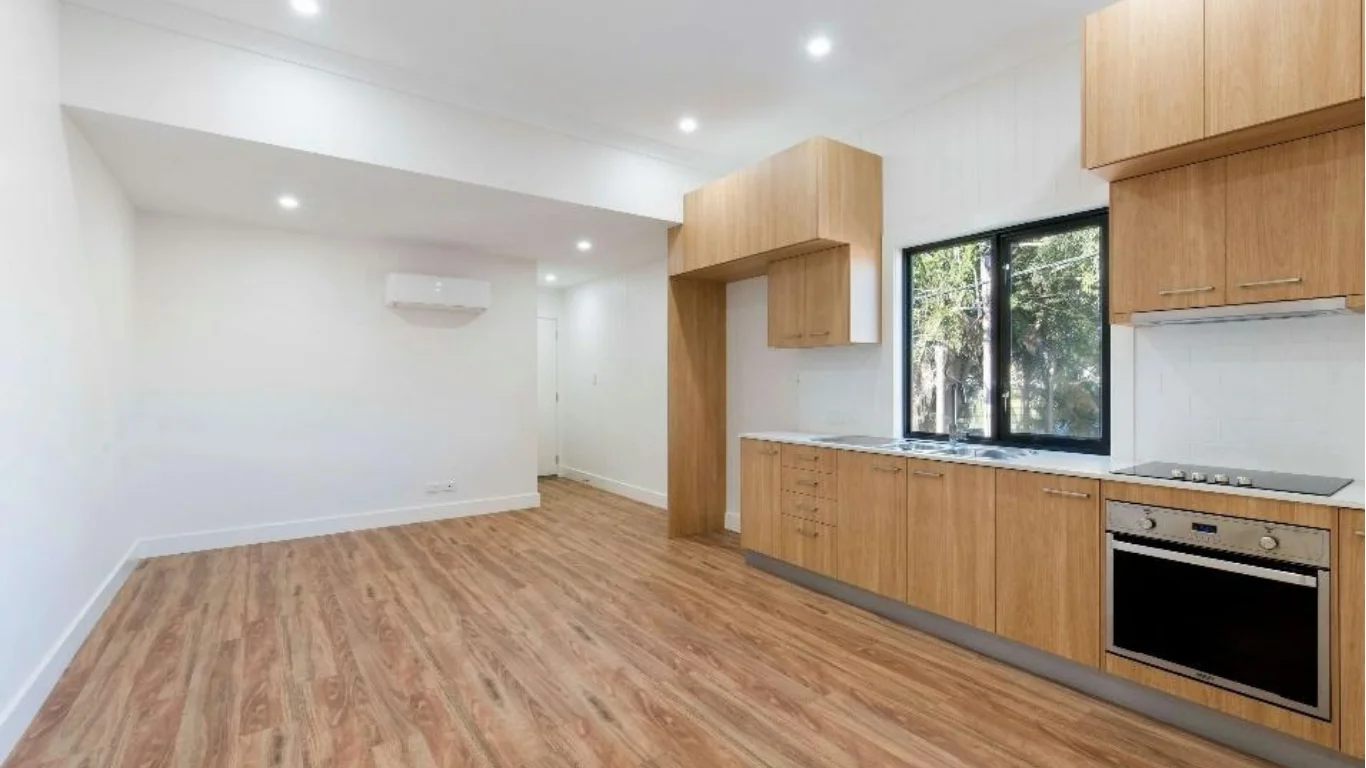
Kitchens tend to be the center of family life, especially once children are old enough to sit at the table for meals. A kitchen that was designed for occasional cooking and quick breakfasts can quickly feel inadequate for a household that is preparing three meals a day, packing lunches, and hosting the occasional birthday party.
Expanding counter space, upgrading to more durable surfaces, and improving the overall layout are some of the most impactful changes a homeowner can make. Adding a larger sink, increasing cabinet storage, and improving lighting all contribute to a more functional workspace. An island with seating can double as a homework station, a snack bar, and a gathering spot for family conversations.
Creating Safer and More Functional Outdoor Areas
Children need space to play, and a well-designed yard or patio can serve as an extension of the home itself. Families often overlook outdoor upgrades, but a secure fence, a shaded play area, and a properly maintained lawn can add tremendous value to daily life.
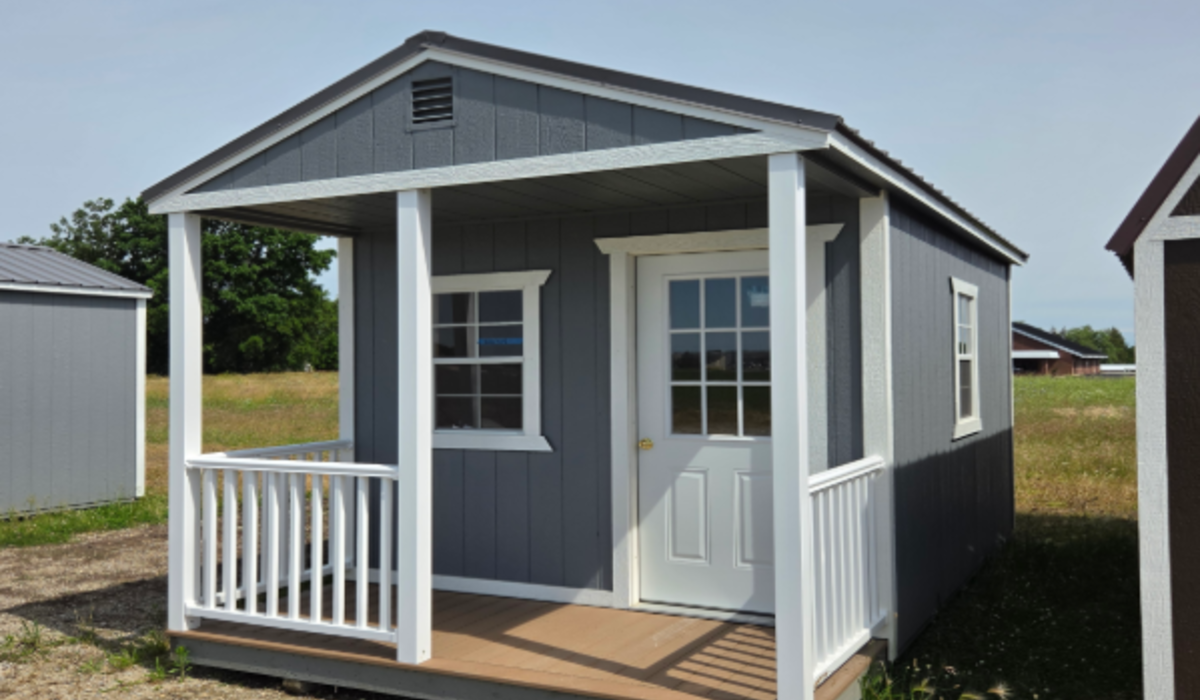
Deck additions and covered patios offer a place for adults to relax while keeping an eye on the kids. Outdoor lighting improves safety during the evenings, and a flat, well-drained yard reduces the risk of slips and falls. Even simple improvements like replacing uneven stepping stones or adding a gate to the pool area can make a noticeable difference in how comfortable parents feel letting their children spend time outside.
Updating Bathrooms for a Larger Household
A single bathroom can become a bottleneck when the family grows. Morning routines get hectic, wait times increase, and fixtures that were adequate for two adults can feel worn out under heavier use. Adding a second bathroom, even a small half bath, can relieve a surprising amount of daily stress.
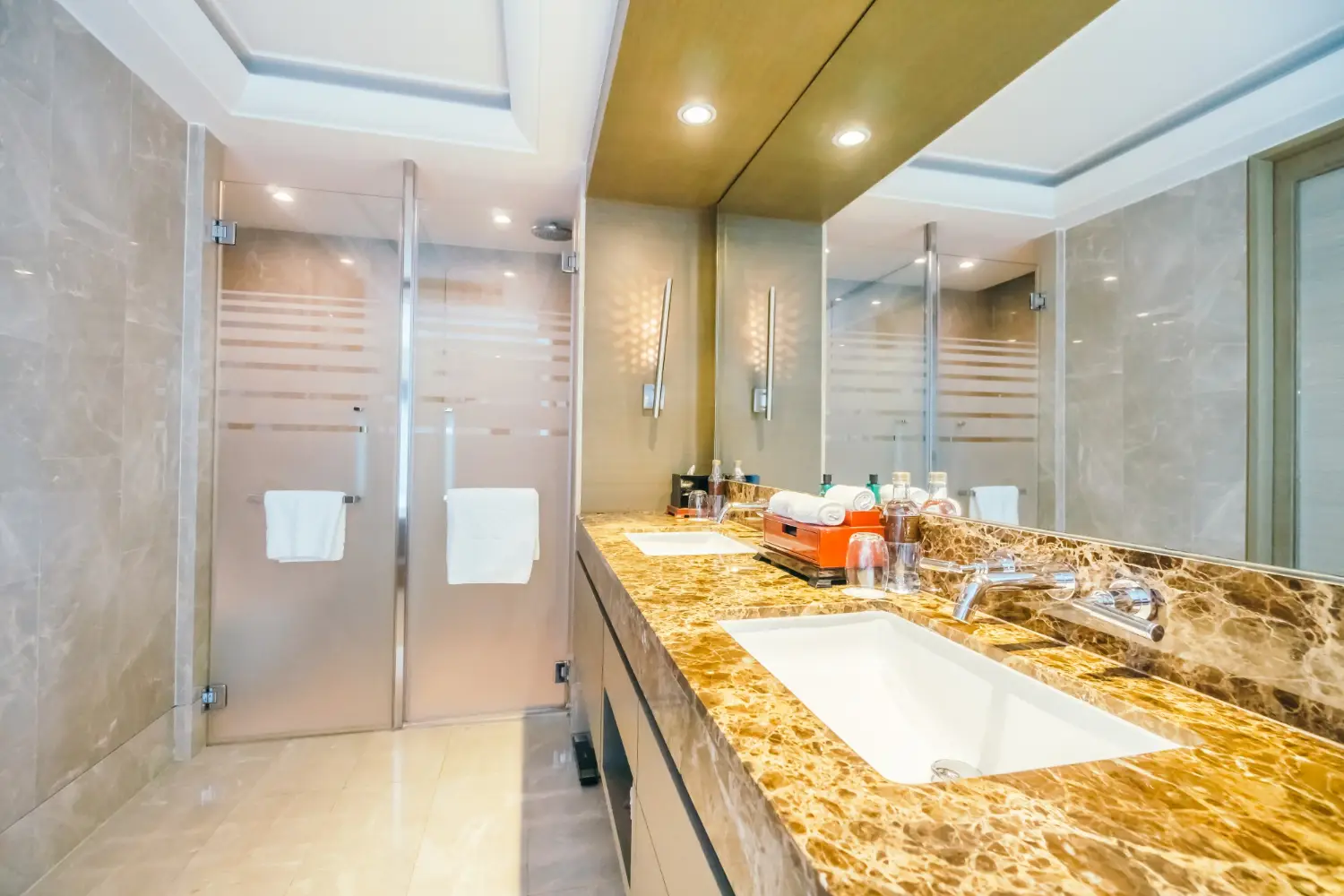
For families that cannot add a new bathroom, updating the existing one often helps. A wider vanity with double sinks, better ventilation, and slip-resistant flooring all improve functionality and safety.
Building in Room to Grow
Every upgrade a family makes should account for the years ahead. A nursery will eventually become a toddler’s room, and then a teenager’s retreat. Choosing neutral finishes, flexible furniture arrangements, and adaptable layouts allows each space to evolve alongside the family without requiring another round of renovations.
Wiring the home for modern connectivity is another forward-thinking move. Reliable internet access in every room supports everything from remote work to homework to streaming, and families with multiple devices will appreciate a network that does not slow down during peak hours.
Planning ahead does not mean spending more now. It means making choices that remain useful as the household’s needs shift. Families that approach upgrades with this mindset tend to get the most out of every improvement, creating a home that feels right not just today but for the foreseeable future.