Choosing French doors for your home requires careful planning around space, materials, glass performance, and hardware. The right design ensures the doors fit your layout, maximize natural light, and maintain strong energy efficiency.
Future Market Insights reports that the global French door market is projected to grow by $16.6 billion between 2025 and 2035, at a CAGR of 4.6%. This growth reflects rising demand for doors that combine style with performance. Because French doors have large glass panels, design choices directly affect how well they function in your home.
What to Look for When Buying French Doors?
When buying French doors, focus on design choices that affect how well they fit and function in your space. Good design helps your doors perform well and match your home’s style over time.
Door Placement and Spatial Flow
Correct placement improves usability and pulls natural light deeper into living areas. Factors to guide your planning include:
- Traffic flow alignment
- Room-to-outdoor connection
- Wall opening width
- Swing direction clearance
For exterior doors, swing direction should reflect available floor clearance and weather exposure. In tighter interiors, place French doors where they reinforce separation without restricting movement.
Frame Material Selection and Long-Term Performance
Your material choice affects how well your doors handle weather exposure and temperature changes over time. Wood delivers a classic appearance but needs regular sealing to prevent moisture damage.
Fiberglass performs well across varied climates as it resists warping and expansion. Aluminum offers a slim frame profile but requires a thermally broken profile for adequate energy efficiency.
Vinyl is cost-effective and low-maintenance, but lacks the rigidity needed for wider panel spans. Match your material choice to your climate conditions and maintenance tolerance for reliable long-term performance.
Glass Design and Functional Light Control
Glass selection determines both visual comfort and indoor climate control. Larger panels increase daylight but raise thermal transfer risk without the right glazing specifications. Some glazing options to evaluate include:
- Double or triple glazing
- Low-E coating technology
- Tempered safety glass
- Laminated impact resistance
Beyond specifications, the glass layout shapes how the door looks and performs. Uninterrupted glass maximizes visual openness and strengthens the indoor-outdoor connection. Divided lite patterns take a different approach, offering:
- Traditional architectural character
- Decorative framing effect
- Reduced visual transparency
Balance daylight access with insulation performance to avoid overheating in summer or heat loss in winter. You can explore more detailed configurations and product options on this website to choose the most suitable French door design for your home.
Security Features and Hardware Strength
Security must be integrated into the design, not added later. Key security elements include:
- Multi-point locking systems
- Reinforced strike plates
- Impact-resistant glass
- Heavy-duty hinges
Hardware considerations include:
- Handle alignment symmetry
- Ease of operation
- Corrosion resistance
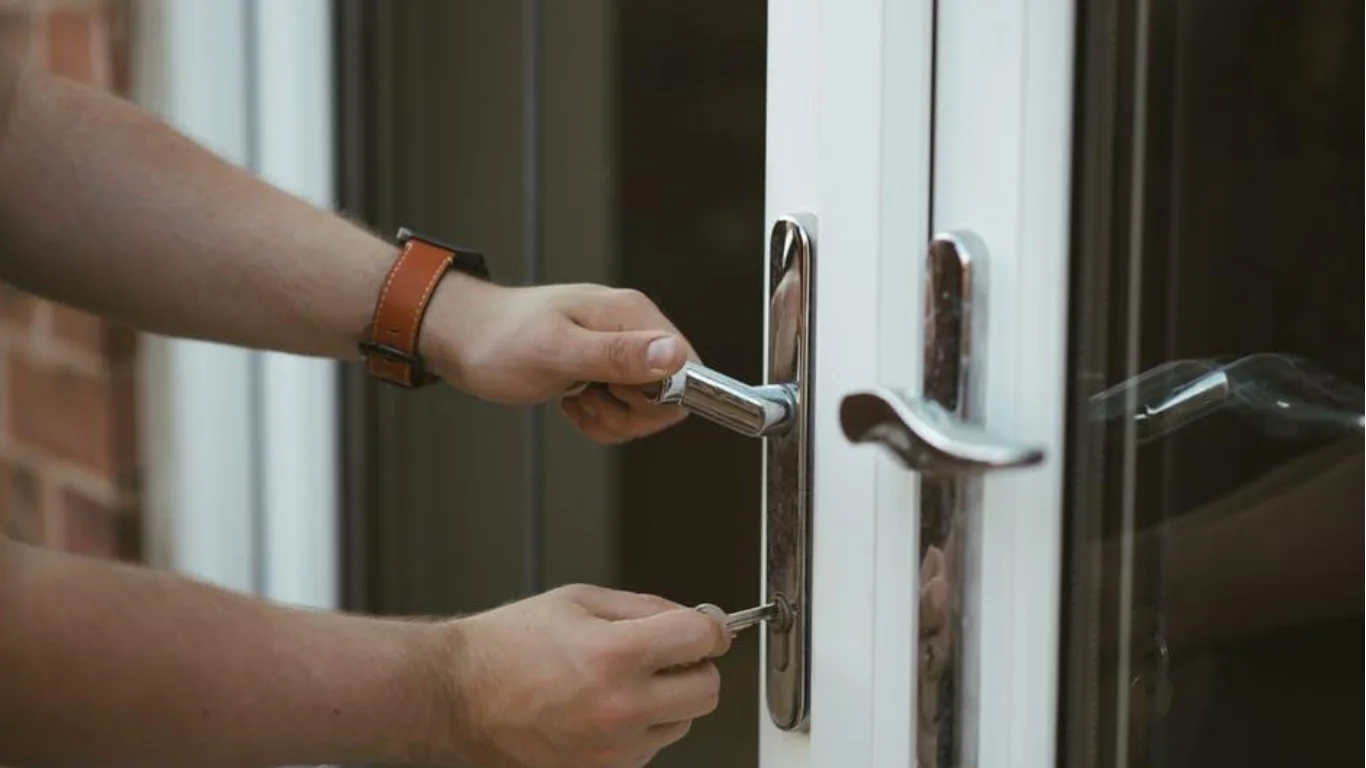
For exterior French doors, locking systems should secure the frame at multiple points to prevent forced entry and improve stability. This ensures consistent protection without compromising usability.
Choose Ideal French Doors for Your Home Today
Choosing French doors depends on their fit within your space, climate, and daily use. When you focus on placement, materials, glass performance, and security, you ensure long-term comfort and reliability. The right choice will improve both the function and overall feel of your home.
Was this article helpful and informative for your needs? If so, you can explore more of our blogs for deeper insights and practical home improvement guidance.