Learning how to install wall shelves is a valuable home improvement skill that can help maximize storage and enhance interior design. Wall shelves provide practical space for books, decorations, plants, and everyday items while keeping rooms organized. Around the world, homeowners use shelves to improve both functionality and visual appeal in living rooms, kitchens, bedrooms, and offices. Proper installation ensures the shelves remain secure and capable of holding weight safely. Understanding how to install wall shelves correctly helps avoid wall damage and ensures long-lasting results.
Understanding the Purpose of Wall Shelves
Before learning how to install wall shelves, it is important to understand their purpose in home design. Shelves can serve both decorative and functional roles depending on where they are placed. In living rooms, they may display artwork, photographs, or collectibles. In kitchens, they provide easy access to cooking tools or dishes. Bathrooms often use shelves for toiletries and towels. Choosing the right type of shelf based on its purpose ensures the installation meets both aesthetic and practical needs.
Tools and Materials Needed for Installation
Preparing the correct tools is an essential step in understanding how to install wall shelves effectively. Common tools include a drill, screws, wall anchors, measuring tape, and a level. A pencil is useful for marking the exact placement of brackets or mounting points. Depending on the wall type, you may also need special anchors for drywall, concrete, or brick surfaces. Using high-quality hardware ensures the shelves can support the intended weight. Proper preparation reduces the chances of installation mistakes.
Choosing the Right Location for Shelves
Selecting the best location is a key part of learning how to install wall shelves successfully. Shelves should be placed where they are easy to access while maintaining a balanced look in the room. Consider the height of furniture and surrounding decor when determining placement. Avoid installing shelves near electrical wiring or plumbing hidden behind walls. Ensuring enough space between shelves allows room for larger items or decorative pieces. Careful planning helps create both functional and visually appealing storage.
Measuring and Marking the Wall
Accurate measurements are essential when practicing how to install wall shelves. Begin by using a measuring tape to determine the exact height and spacing for the shelf. Mark the positions for the mounting brackets using a pencil. A level should be used to ensure the markings are straight and aligned. Even slight misalignment can make shelves appear uneven after installation. Taking time to measure carefully ensures a professional-looking result.
Installing Wall Anchors and Brackets
Wall anchors and brackets play an important role in the process of how to install wall shelves. Anchors provide additional support when installing shelves on drywall or other lightweight surfaces. Drill small pilot holes where the anchors will be placed. Insert the anchors securely into the wall before attaching the brackets with screws. The brackets hold the shelf and distribute weight evenly across the wall. Ensuring they are firmly secured prevents shelves from becoming loose over time.
Mounting the Shelf Properly
After installing brackets, the next step in how to install wall shelves is mounting the shelf itself. Carefully place the shelf onto the brackets and ensure it fits securely. Some shelves require additional screws to lock them into place. Use a level again to confirm that the shelf remains perfectly horizontal. Tighten all screws firmly without over-tightening them. Proper mounting ensures the shelf remains stable and safe for everyday use.
Weight Capacity and Safety Considerations
Understanding weight limits is an important aspect of learning how to install wall shelves safely. Every shelf and bracket system has a recommended weight capacity. Placing excessive weight on shelves can cause brackets to loosen or walls to crack. Heavy items should always be placed near bracket support points. Using strong anchors and quality hardware increases stability. Following safety guidelines prevents accidents and protects the wall structure.
Styling and Organizing Wall Shelves
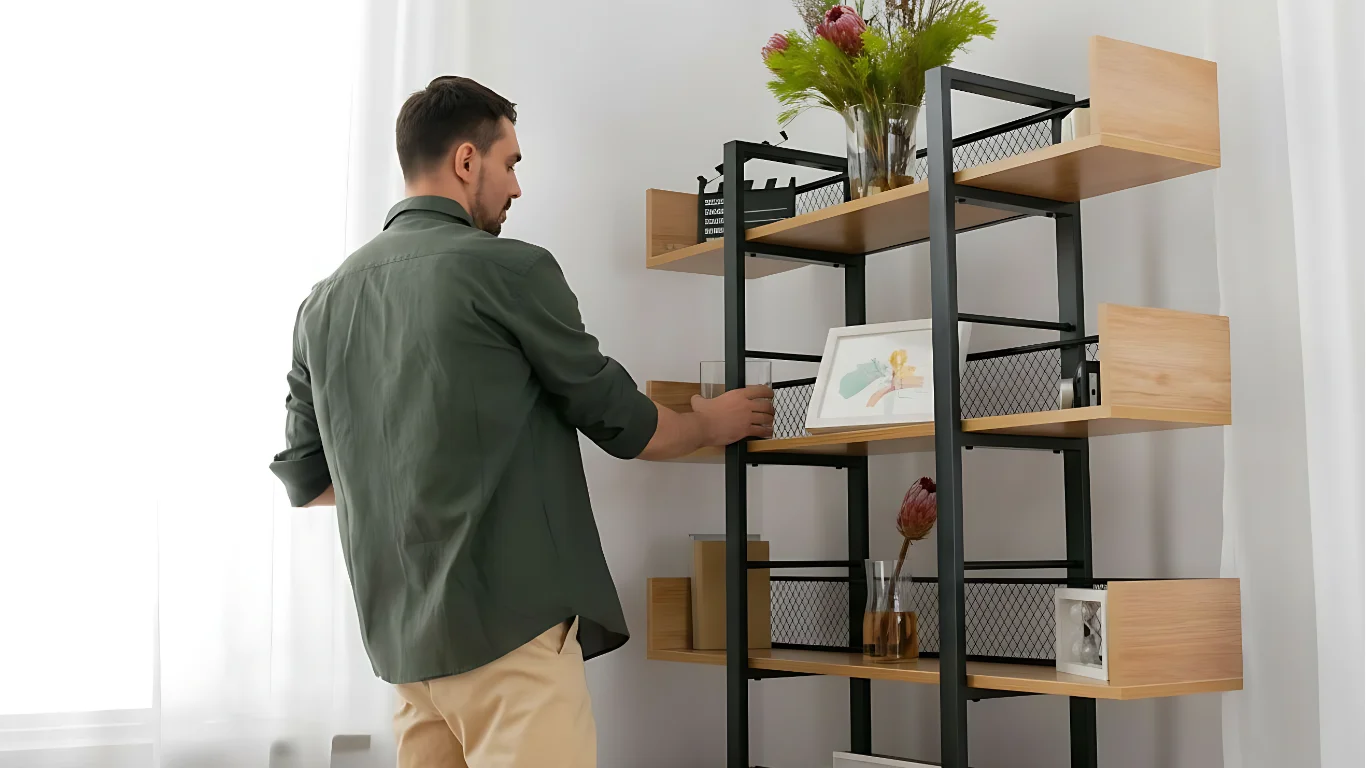
Once you understand how to install wall shelves, the next step is arranging items on them effectively. Decorative items such as plants, books, and artwork can create visually balanced displays. Mixing different shapes and heights adds depth and character to the shelf design. Avoid overcrowding shelves because too many items can appear cluttered. Leaving some empty space creates a cleaner and more elegant look. Well-organized shelves enhance both functionality and interior style.
Maintenance and Long-Term Care
Proper maintenance ensures the shelves installed using the steps for how to install wall shelves remain secure over time. Periodically check screws and brackets to ensure they remain tight. Clean shelves regularly to prevent dust buildup. If the shelves begin to loosen, tighten hardware immediately to avoid damage. Avoid placing items that exceed the shelf’s weight capacity. Routine inspection helps maintain stability and safety.
Conclusion
Understanding how to install wall shelves allows homeowners to improve storage and enhance interior design in a simple yet effective way. Proper planning, accurate measurements, and the right tools are essential for successful installation. By using strong anchors and brackets, shelves can safely support decorative or functional items. Once installed, shelves can transform empty wall space into practical storage and stylish displays. With careful installation and maintenance, wall shelves provide long-lasting organization and visual appeal in any home.
FAQs
What tools are needed to install wall shelves?
Common tools include a drill, measuring tape, level, screws, anchors, and a screwdriver for secure installation.
Can wall shelves be installed on drywall safely?
Yes, but drywall anchors should be used to provide additional support and prevent the shelves from pulling out.
How high should wall shelves be installed?
The ideal height depends on the room, but shelves are usually installed at eye level or slightly above furniture.
How much weight can wall shelves hold?
Weight capacity depends on the type of brackets and anchors used, as well as the wall material.
Do wall shelves require regular maintenance?
Yes, periodically checking screws and brackets ensures the shelves remain secure and safe for everyday use.