
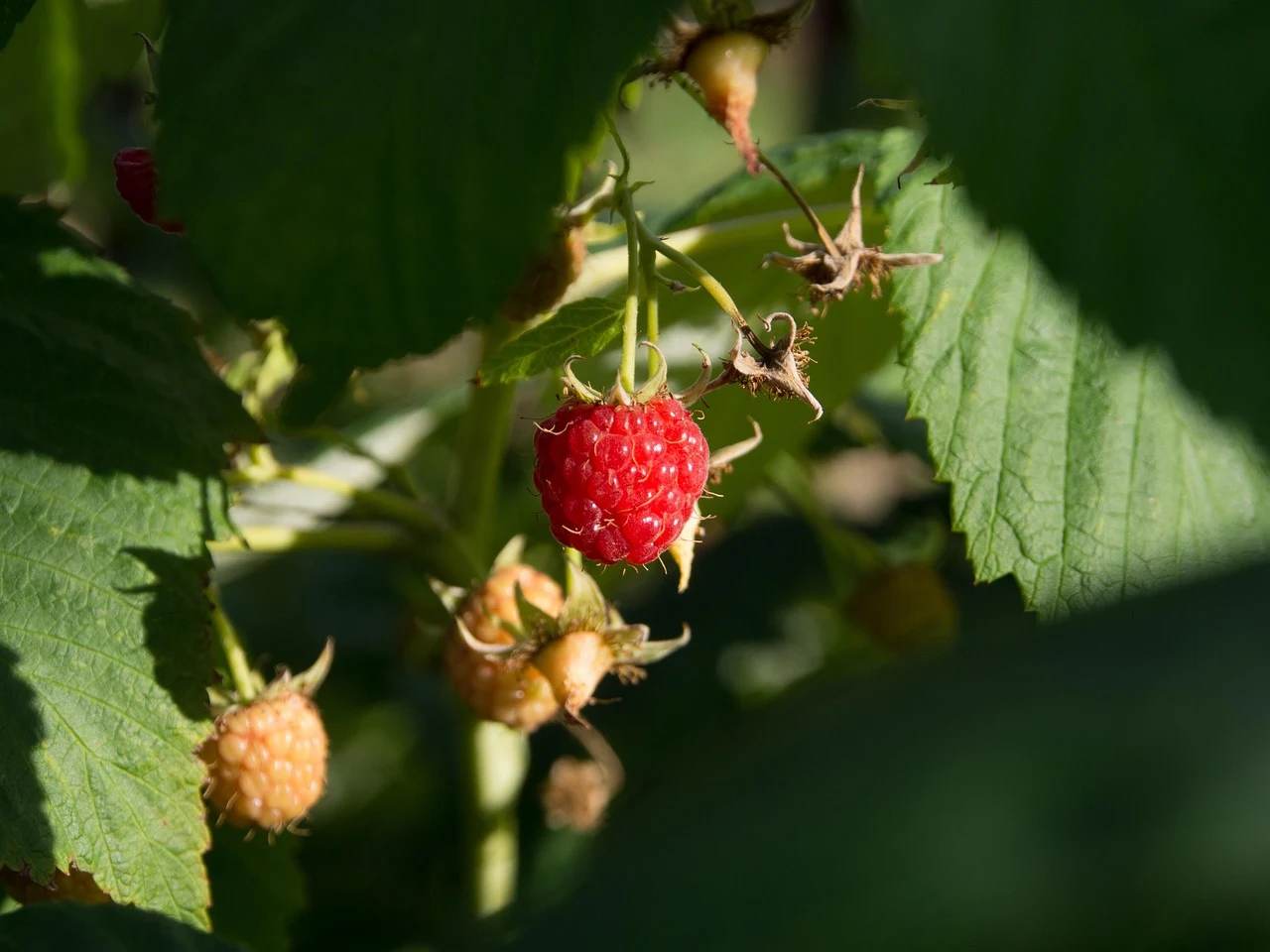
A home garden can be much more than a place for ornamental plants. With thoughtful planning, even a modest outdoor space can become a productive fruit garden that provides fresh produce throughout the growing season.
Growing your own fruit is also an enjoyable way to spend more time outdoors. From picking strawberries on a summer morning to harvesting raspberries or watching the first blossom appear on a fruit tree, productive gardening creates a connection between your home and the food you eat.
The good news is that you do not need a huge garden to get started. The right combination of plants, containers and careful planning can help make the most of almost any outdoor space.
Start by Understanding Your Space
Before choosing plants, take a close look at the area where you want to grow.
Observe how much sunlight different parts of the garden receive during the day. Most fruit plants need plenty of sunlight to grow well and produce a worthwhile crop, although individual varieties can have different requirements.
Also consider the condition of the soil, drainage, wind exposure and access to water.
If you have a small garden, think vertically as well as horizontally. Walls, fences, containers and raised beds can create additional growing opportunities without requiring a large traditional planting area.
For larger gardens, you have more flexibility to combine berry plants with fruit trees and other edible crops.
Why Strawberries Are Ideal for Smaller Gardens
Strawberries are a useful starting point for anyone who wants to introduce fruit growing into a home garden.
They can be planted directly into the ground, but they also perform well in containers, hanging baskets and other compact growing spaces. This makes them particularly suitable for patios and smaller gardens.
When choosing strawberry plants, pay attention to the fruiting season and growing characteristics of each variety. Some strawberries produce a concentrated summer crop, while perpetual varieties can produce fruit over a longer period.
Spacing is also important. Giving strawberry plants sufficient room helps maintain airflow around the foliage and makes harvesting easier.
A sunny position, good drainage and regular watering can provide a strong foundation for healthy plants.
Add Raspberries for Seasonal Colour and Fruit
Raspberries can add both productivity and visual interest to a home garden.
Their canes provide vertical growth, making them useful when you want to make efficient use of garden space. They can be grown in suitable borders or, depending on the variety, in containers.
When selecting raspberry plants, consider the mature size of the plant and its fruiting season.
Raspberries are generally divided into summer-fruiting and autumn-fruiting types. These have different growth and pruning requirements, so understanding which type you have is important before planting.
For smaller outdoor spaces, compact varieties can be particularly useful. A container-grown raspberry can provide fruit without requiring a large dedicated bed, although it will still need appropriate support, watering and feeding.
Make Room for Fruit Trees
If your garden has enough space, a fruit tree can become one of its most valuable long-term features.
Apple, pear, plum and other fruit trees can provide blossom in spring, attractive foliage during the growing season and fresh fruit later in the year.
However, a tree should never be selected based only on how it looks when you buy it. Consider its expected mature height and spread, rootstock, pollination requirements and preferred growing conditions.
For smaller gardens, dwarf or patio varieties may provide a more manageable alternative to full-sized trees.
When comparing different fruit trees, check the eventual size and growing requirements before deciding where to plant one.
Plan Your Garden Around Harvest Times
One way to make a fruit garden more productive is to choose plants that produce at different times of the year.
If everything ripens during the same few weeks, you may end up with more fruit than you can use at once. Selecting varieties with different harvesting periods can spread production across a longer season.
For example, you might combine early and later strawberry varieties with summer- and autumn-fruiting raspberries. A fruit tree can then add another seasonal harvest.
This approach can make the garden feel productive for longer and gives you more opportunities to enjoy freshly picked fruit.
Choose Between Containers and Open Ground
Not every fruit plant needs to be planted directly into your garden soil.
Containers can be extremely useful when space is limited or when you are renting and cannot permanently alter the garden.
Strawberries are particularly well suited to containers, while certain raspberry varieties can also be grown successfully in pots when given adequate space and support.
Fruit trees can sometimes be grown in containers too, particularly when choosing varieties and rootstocks intended for container cultivation.
The main consideration is that container plants generally require closer attention to watering and feeding because their growing environment is more restricted than open ground.
Prepare the Soil Before Planting
Good preparation can make a significant difference to the performance of fruit plants.
Start by removing weeds and large stones from the planting area. Check whether the soil drains adequately and improve it with suitable organic matter if necessary.
Avoid planting directly into compacted soil without preparation. Fruit plants need suitable conditions for their roots to establish and access moisture and nutrients.
If you are planting a tree, take particular care with the planting area because the tree may remain there for many years.
For containers, choose a suitable growing medium and make sure the pot has adequate drainage holes.
Think About Spacing
It can be tempting to plant young fruit plants close together because they initially occupy very little space.
However, plants grow.
Before planting, check the recommended mature size of each variety. Allow enough room for the plant’s roots and above-ground growth, while also leaving sufficient space for maintenance and harvesting.
Good spacing can also help improve airflow between plants and make it easier to inspect leaves and fruit.
This is particularly important in berry gardens, where dense growth can make plants more difficult to manage.
Provide Consistent Water
Water is essential while young fruit plants establish themselves.
Newly planted strawberries, raspberries and fruit trees should be monitored carefully, particularly during periods of warm or dry weather.
Rather than giving plants small amounts of water frequently, aim to water thoroughly when necessary, allowing moisture to reach the root zone.
Container plants often dry out faster than plants growing in the ground, so they may need more frequent attention.
A layer of suitable mulch around plants can also help retain moisture and reduce weed competition. Keep mulch away from the direct base of the plant to avoid creating excessively damp conditions around the stem or crown.
Learn the Pruning Requirements
Pruning is an important part of caring for many fruit plants, but the correct method depends on the type of plant.
Raspberries, for example, have different pruning requirements depending on whether they are summer- or autumn-fruiting varieties.
Fruit trees also benefit from appropriate pruning to maintain their structure and encourage productive growth. However, excessive or poorly timed pruning can cause problems.
Before picking up the secateurs, identify the variety and learn its recommended pruning method. Keeping a simple gardening record can help you remember what you did and when.
Protect Your Fruit
As your plants begin producing fruit, remember that you are not the only one interested in the harvest.
Birds and other garden visitors may be attracted to ripe berries. Depending on the situation, protective netting can help reduce losses.
Regularly inspect plants for signs of pests, damaged leaves or unusual growth. Spotting problems early can make them easier to manage.
Keeping plants healthy through appropriate watering, feeding, spacing and pruning is also an important part of maintaining a productive garden.
Combine Edible Plants With Your Existing Garden
A productive garden does not have to look like a traditional vegetable patch.
Fruit plants can be incorporated into an existing landscape alongside flowers, herbs and ornamental shrubs.
Strawberries can be used as low-growing plants around suitable borders. Raspberries can provide height and structure when planted in an appropriate location, while a fruit tree can act as a central feature.
This approach allows you to create a garden that is both attractive and productive.
You can also use containers to introduce fruit plants without changing the overall layout of your garden permanently.
Keep Maintenance Manageable
The best home garden is one that you can realistically look after.
It is easy to become enthusiastic when planning a new growing project and choose more plants than you have time to maintain. Start with a manageable selection and expand gradually as you gain experience.
A few well-cared-for strawberry and raspberry plants can be more rewarding than a large collection that becomes difficult to maintain.
As you learn which plants perform well in your garden, you can introduce additional varieties and experiment with different growing methods.
Think Long Term With Fruit Trees
Berry plants can begin contributing to your garden relatively quickly, while fruit trees are more of a long-term investment.
A well-chosen tree can remain part of your garden for many years, changing with the seasons and potentially producing fruit year after year.
That makes the initial planning especially important. Consider how large the tree will become, where its shade will fall and whether its eventual size will interfere with paths, buildings or other plants.
Choosing the right position at the beginning can save significant work later.
Turn Your Garden Into a Seasonal Experience
One of the most enjoyable aspects of growing fruit at home is watching the garden change throughout the year.
Spring can bring blossom and fresh foliage. Summer may bring strawberries and raspberries, followed by later fruit crops as the season progresses.
Rather than viewing fruit growing simply as a way to produce food, consider it part of the wider experience of maintaining a home garden.
With careful plant selection, sensible spacing and regular maintenance, even a relatively small outdoor space can become productive.
Whether you begin with a few strawberry plants in containers, add raspberry canes to a garden border or eventually plant a fruit tree, the process can turn an ordinary outdoor area into a space that provides both beauty and fresh produce.